
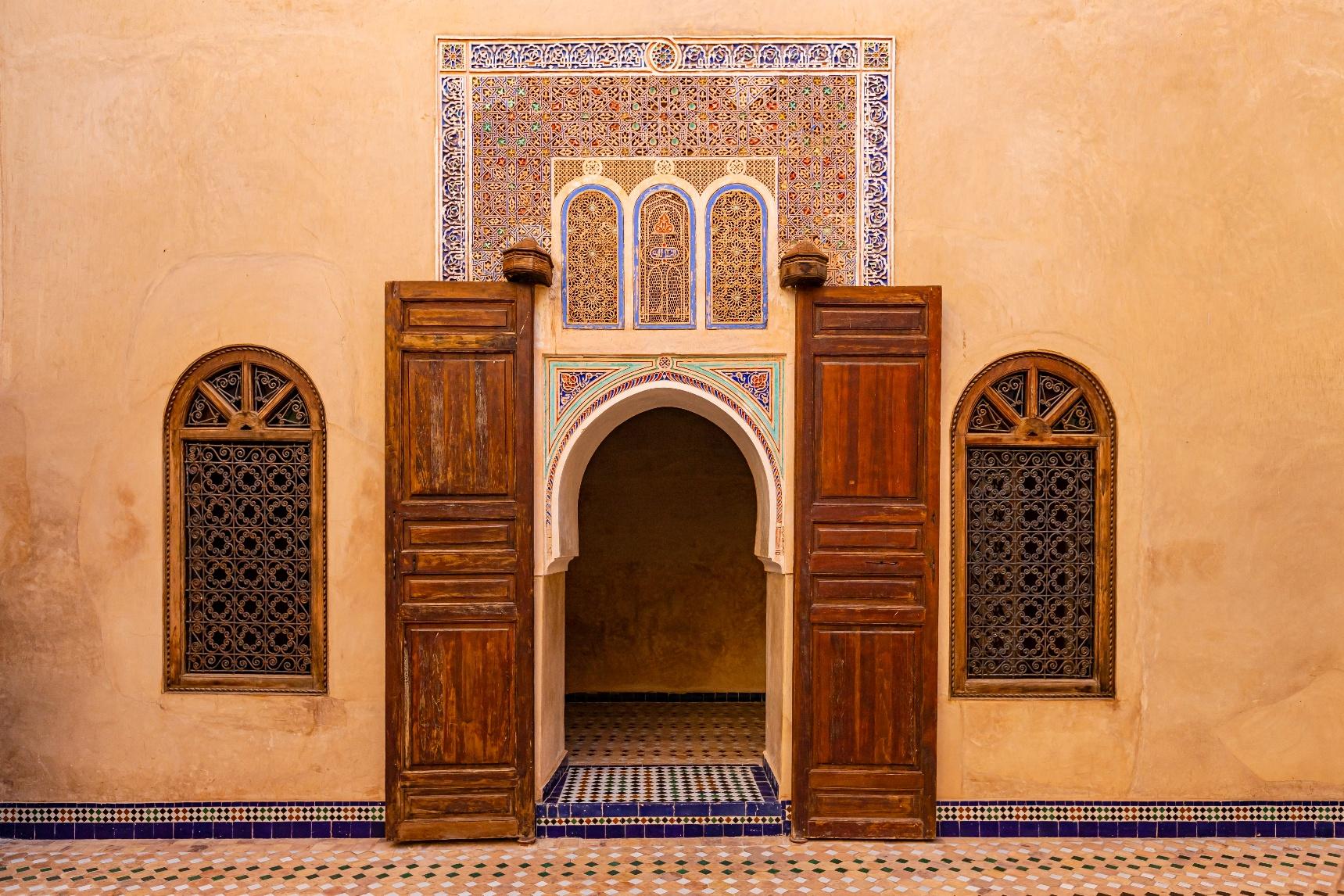
Morocco blends Arab, Berber, and French influences into a rich tapestry of cultures. As a result, this diversity is reflected in its architecture, cuisine, and people. At the same time, it’s a destination where medieval and modern coexist: ancient medinas pulse beside boutique riads, and donkey carts share the streets with sleek scooters.
From the labyrinthine streets of Fez to the vibrant souks of Marrakesh, and from mountain passes in the Atlas range to the rippling dunes of the Sahara, every corner tells a new story. In this guide, we therefore take you through an unforgettable journey across Morocco’s most iconic destinations—particularly for those who are seeking history, adventure, and the raw beauty of North Africa.
Marrakesh: Where Ancient Ritual Meets Modern Glamour
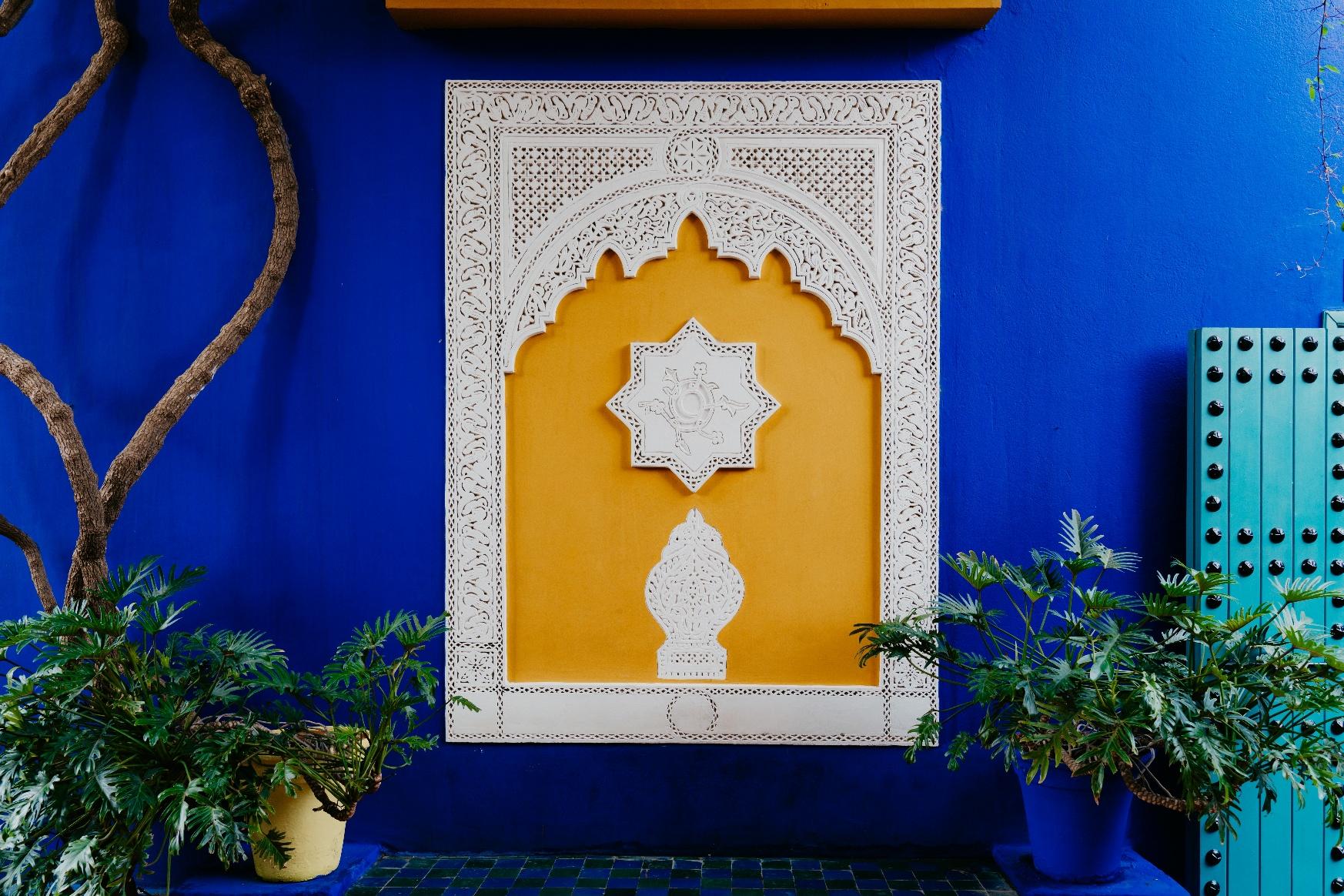
No city in Morocco seduces quite like Marrakesh. Indeed, known as the “Red City,” it enchants visitors with its terracotta walls, aromatic souks, and serene courtyards. For luxury travelers, however, Marrakesh begins with the riad.
These converted aristocratic mansions, centered on mosaic-tiled courtyards and scented with orange blossom and jasmine, offer an intimacy that no five-star tower hotel can replicate. In fact, properties like La Mamounia, Royal Mansour, and Amanjena have redefined Moroccan hospitality. Not only do they feature hand-carved cedar ceilings and private hammam suites, but they also offer Michelin-recognized cuisine served beneath pomegranate trees.
The city’s medina unfolds as a labyrinth of artisan craftsmanship. At sunset, the Jemaa el-Fnaa square bursts with life, where storytellers, musicians, and food stalls create an intoxicating rhythm. Meanwhile, exclusive access to architectural landmarks like the Bahia Palace, the Saadian Tombs, and the Majorelle Garden adds depth to the experience.
In addition, Marrakesh’s design boutiques and ateliers offer bespoke fashion and home décor sourced from local artisans. As a result, the city becomes an ideal destination for refined shopping.
Fez: A Living Medieval City Unlike Any Other
If Marrakesh is Morocco’s modern muse, then Fez transports visitors to a medieval era of scholars and artisans. In particular, the Fez el-Bali medina, a UNESCO World Heritage site, is one of the largest car-free urban zones in the world.
Its narrow lanes lead to ancient madrasas, ceramic workshops, and perfumeries that preserve centuries of craft. Once you arrive, you’ll quickly be drawn to the authenticity and artistry of its heritage.
Palais Amani, perched near the royal palace, delivers elegance steeped in history. Here, Andalusian architecture blends seamlessly with contemporary comfort.
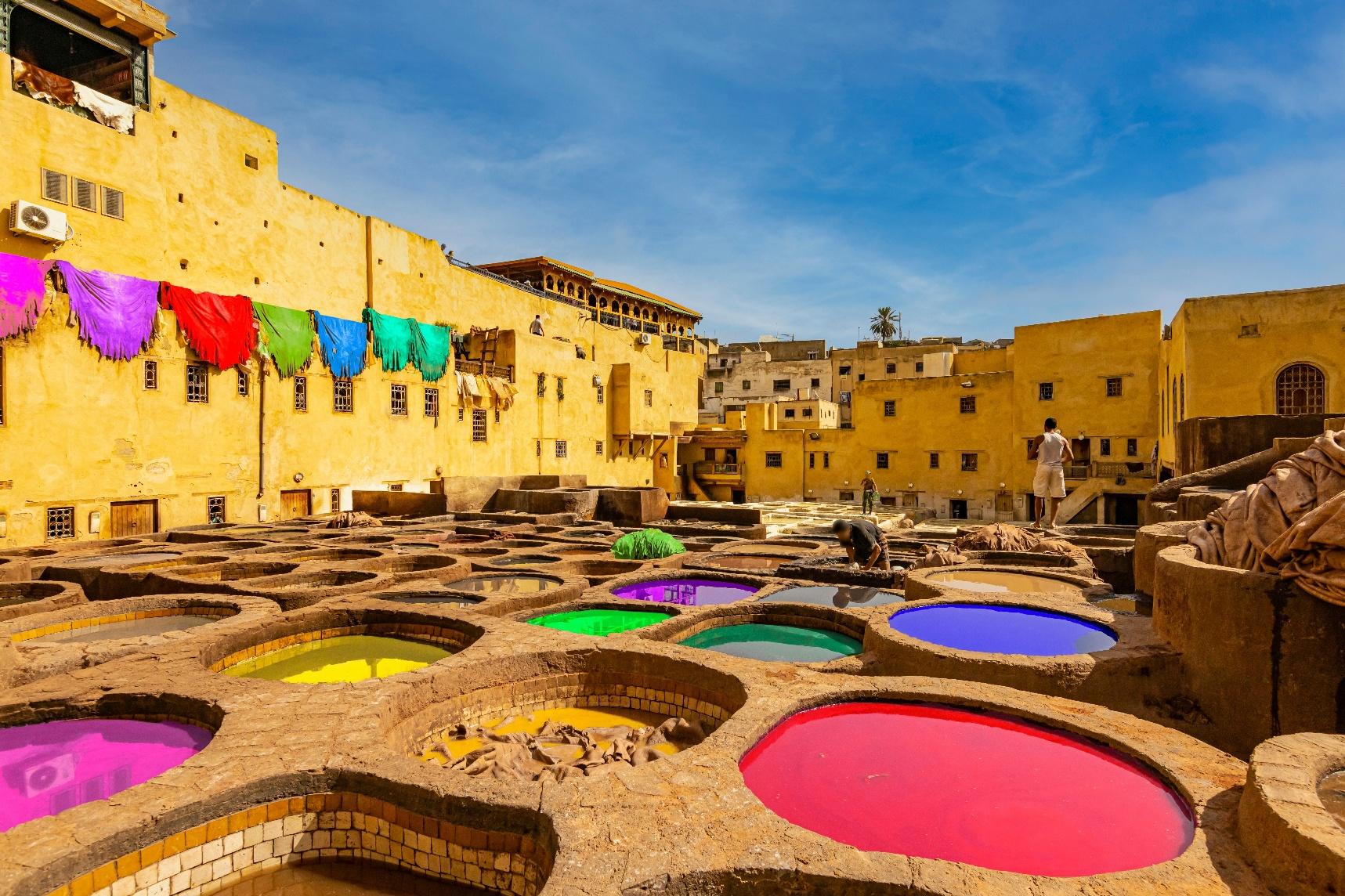
At the heart of the medina, the Al-Qarawiyyin University stands as a symbol of intellectual legacy. Founded in 859 CE, it is widely considered the oldest continuously operating university in the world. Nearby, the Chouara tannery offers one of the most visually arresting sights in Morocco.
For a more exclusive experience, explore lesser-known artisan workshops specializing in zellige tilework and filigree metal. In many cases, local artists welcome private commissions. Therefore, you can bring home bespoke pieces that embody Moroccan artistry.
The Atlas Mountains: Serenity at 4,000 Meters
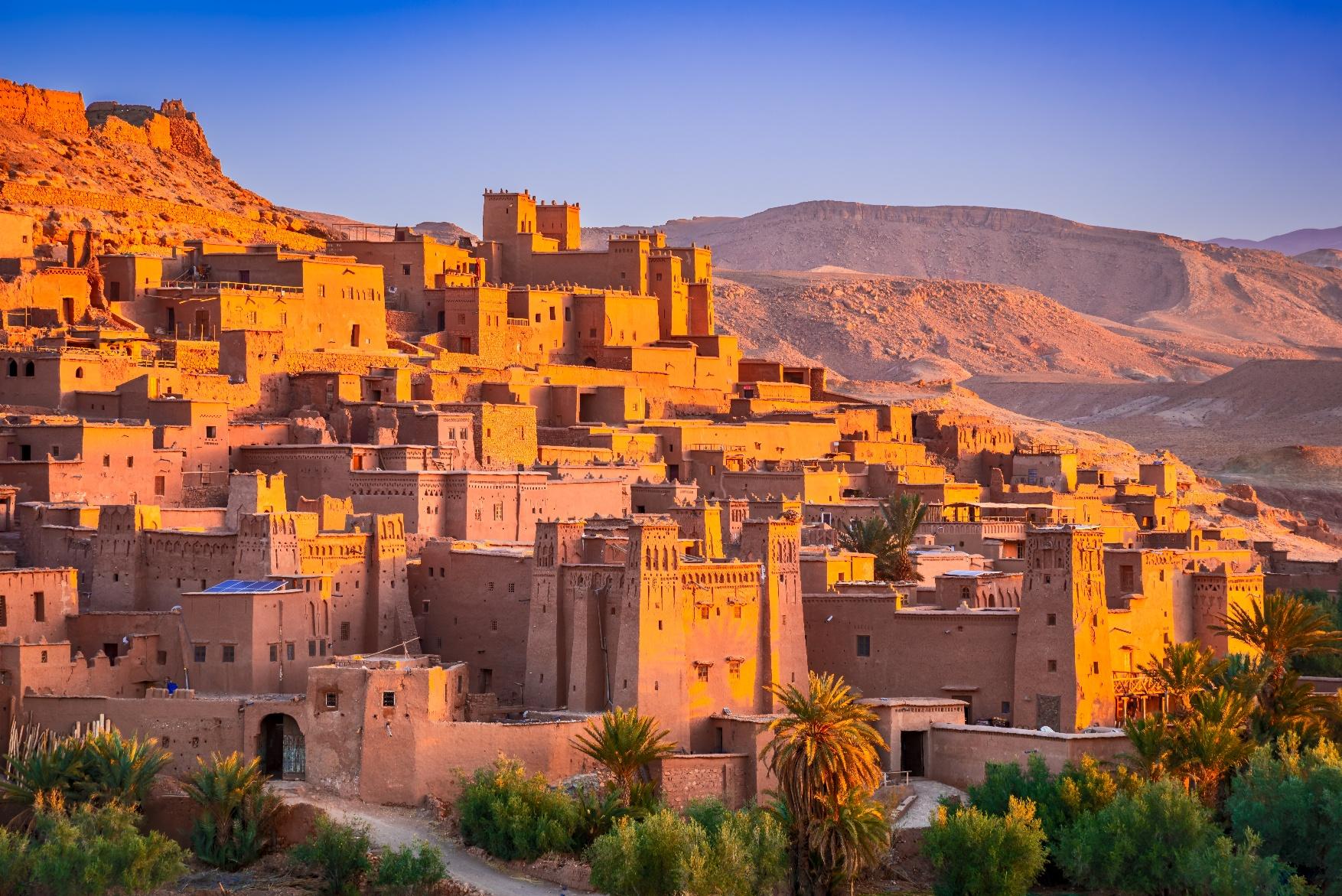
Less than an hour from Marrakesh, the High Atlas Mountains rise with sudden, breathtaking drama. As you travel, the road through the Tizi n’Tichka pass winds through eroded red rock, terraced Berber villages, and almond orchards in bloom.
Luxury retreats here occupy a category of their own. For example, Kasbah Tamadot offers sweeping views of the Atlas peaks from infinity pools and private terraces. At the same time, spa treatments draw on locally harvested argan oil and mountain herbs.
Guided hikes lead to remote Berber hamlets. There, hospitality unfolds through shared meals of flatbread, honey, and unhurried conversation.
For the more adventurous, a guided ascent of Mount Toubkal is achievable in two to three days. However, if you prefer something less strenuous, private helicopter excursions offer a different perspective. Ultimately, both experiences reveal the scale and serenity of the Atlas range.
The Sahara Desert: Infinite Sky and Perfect Silence
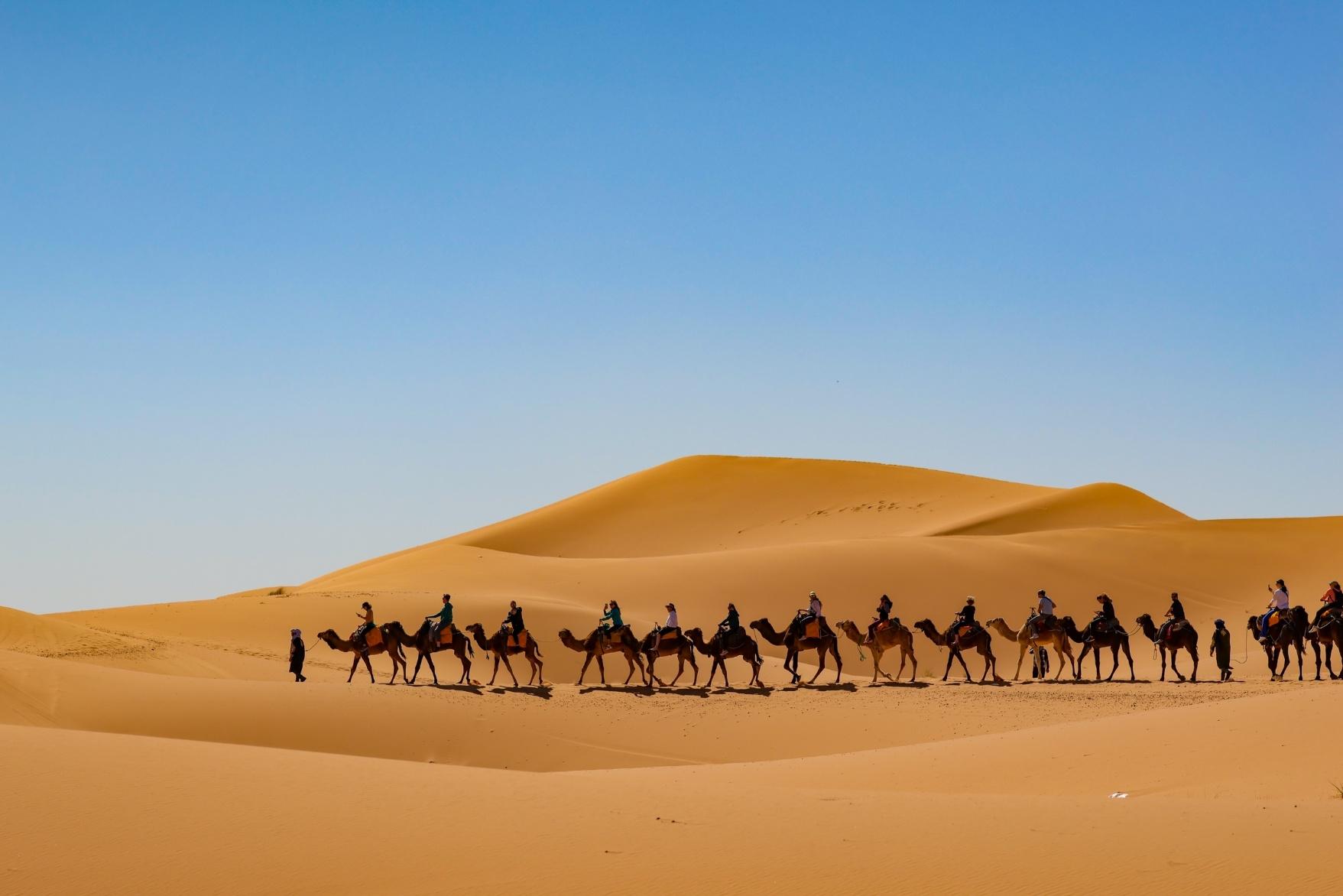
No trip to Morocco is complete without venturing into the Sahara. As the journey unfolds, paved roads give way to dusty tracks leading to golden dunes that stretch beyond sight.
Head toward Merzouga or Zagora—gateways to the Erg Chebbi and Erg Chigaga dunes. Along the way, landscapes shift dramatically from palm oases to rocky plateaus. For this reason, the journey itself becomes part of the experience.
Luxury desert camps redefine glamping. Here, silk-lined tents with en suite bathrooms and lantern-lit dining create an atmosphere of quiet indulgence. In the evening, enjoy camel rides at sunset, followed by traditional music around a fire.
Perhaps most captivating, however, is the night sky. The Milky Way arches over the dunes in complete silence. By contrast, mornings reveal a palette of gold and rose.
For added adventure, sandboarding or quad biking offers adrenaline. Alternatively, a sunrise balloon flight provides sweeping views of the desert. In addition, wellness experiences—from spa rituals to sunrise yoga—bring a sense of stillness to the landscape.
A Moroccan Journey to Remember
Marrakesh dazzles. Fez enchants. The Atlas Mountains rejuvenate. The Sahara humbles. Together, they create a journey that feels both expansive and deeply personal.
Whether you’re sipping mint tea on a riad terrace or tracing ancient footsteps through a mountain pass, Morocco stays with you long after you’ve left.
So, if you’re ready to experience Morocco, contact LuxEurope to begin planning your custom itinerary.
Cover photo credit: Shutterstock.com | Kadagan