
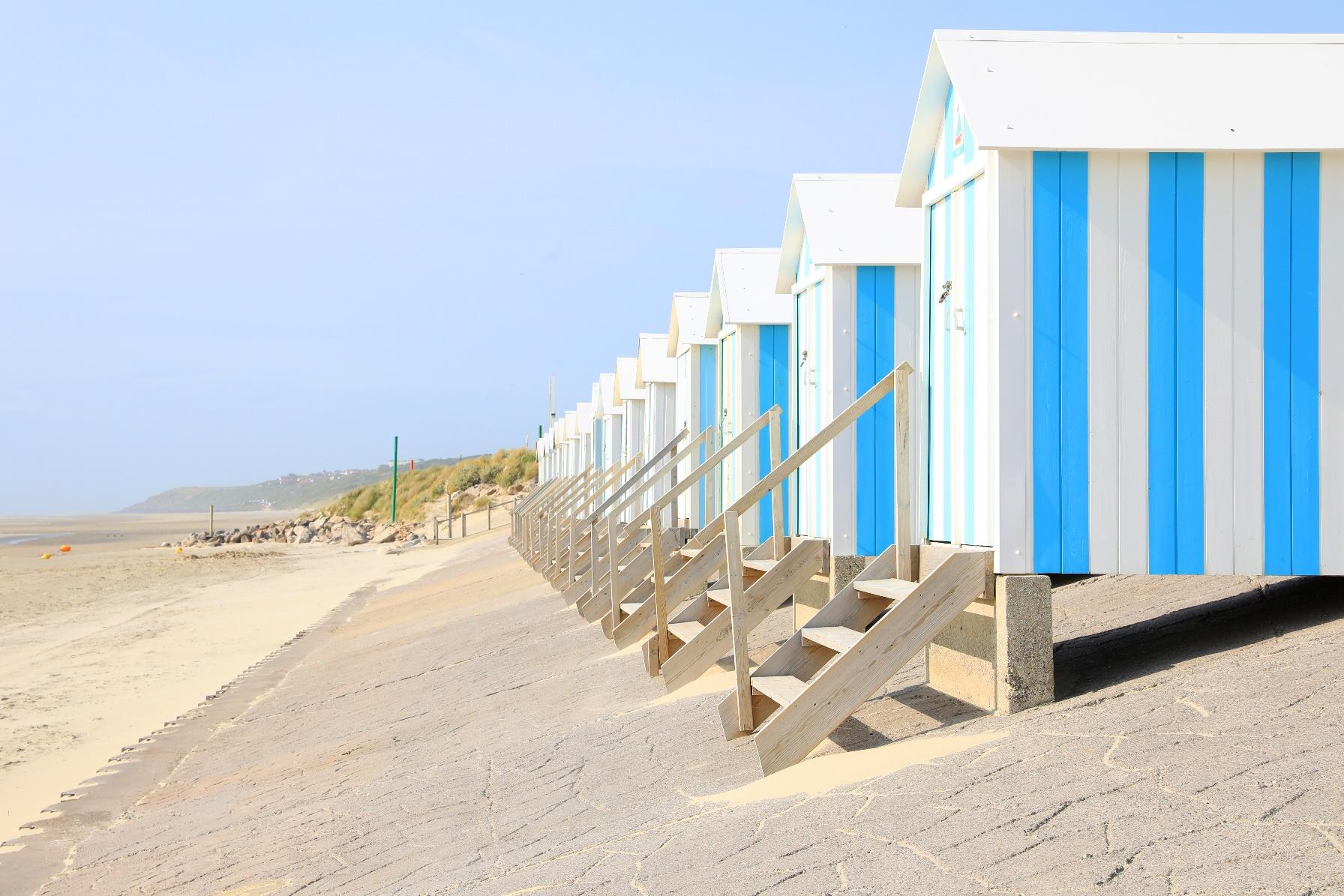
France’s Atlantic Coast is one of Europe’s most under-explored stretches of shoreline. It is a world away from the glamorous French Riviera. Here, you can expect charming seaside towns with sandy beaches, oyster beds, historic portsnd stylish seaside towns that stretches from the Loire Valley region down to the Spanish border. This guide will take you on a journey through some of its most iconic destinations, including the enchanting Île de Ré, the picturesque Arcachon Bay with its famous Dune du Pilat and Cap Ferret and the vibrant Spanish Basque towns of Saint-Jean-de-Luz and Biarritz.
Île de Ré: Elegant Island Charm

Connected to the mainland by a two-mile bridge, Île de Ré is one of the most loved stops on France’s Atlantic coast. It is known for its pretty villages draped in hollyhocks, waterfront harbors and easygoing island atmosphere. The island’s architecture is its calling card. Villages like Saint-Martin-de-Ré, a UNESCO-listed citadel town, and La Flotte are lined with low stone houses painted brilliant white adorned with window shutters in sage green or ocean blue. The pace of life is deliberately slow. Here, bicycles outnumber cars and the best way to explore is by pedaling the island’s 100km of dedicated cycle paths through vineyards and salt marshes.
Île de Ré is also famous for its fleur de sel, the hand-harvested sea salt skimmed from the surface of the island’s salt pans, and for its extraordinarily sweet potatoes, grown in sandy soil enriched by sea air. Pick both up at any local market.
If you are seeking an Atlantic coast destination that feels posh but still low-key, Île de Ré is a great first stop.
Insider Tips
- Visit in June or September to avoid the August peak — crowds triple and prices follow.
- Book the oysters at La Cabane de l’Écailler on the southern shore and eat them straight from the shell with a glass of local Pineau des Charentes.
- Sunrise at the Phare des Baleines lighthouse is genuinely transcendent.
Cap Ferret & the Arcachon Bay Peninsula

Cap Ferret is the definition of understated French chic. It has a rustic character that makes it one of the most memorable places on the Atlantic coast. This narrow pine-forested peninsula separates the vast Arcachon lagoon from the open Atlantic, and its low-key, literary atmosphere has drawn Parisian artists, writers, and intellectuals for generations. There are no grand hotels here, but just simple wooden cabins half-hidden among the pines, oyster shacks on the bay and some of the most dramatic wild beaches on the Atlantic coast.
Two Coasts in One
Cap Ferret’s extraordinary appeal lies in its duality. The lagoon side is sheltered and serene which makes it perfect for swimming, kayaking, and cycling along the waterfront to hand-picked oyster tables. The ocean side, facing the Atlantic directly, is something else entirely: vast, wild, and windswept, with towering sand dunes and powerful surf breaks that attract experienced surfers from across Europe.
The village is centered on the oyster port, where local producers sell directly from their huts. A dozen oysters, a glass of white wine from Bordeaux’s Entre-Deux-Mers area and a view across the bay to the Dune du Pilat is one of the great simple pleasures of French Atlantic life. If you like destinations that combine scenery with food culture, Cap Ferret is one of the best places to base yourself or visit on a day trip.
Insider Tips
- Take the short ferry from Cap Ferret to Arcachon for a contrast in styles.
- The ocean-facing beach at La Plage de l’Horizon is one of the least-crowded on the entire coast.
- Rent bikes in the village. The peninsula is perfectly sized for a full day’s cycling loop.
Arcachon: The Bay and the Dune
Move further south along the Atlantic coast, and you’ll arrive at the Bassin d’Arcachon. It is a vast tidal lagoon covering 60 miles and home to an extraordinary ecosystem of oyster beds, bird sanctuaries and seasonal islands that appear and disappear with the tides. Arcachon is one of France’s great 19th-century resort towns, built by wealthy Bordeaux merchants who came to take the sea air. The town retains that grand, slightly faded glamour with ornate Victorian villas with turrets and verandas set among seaside pines, a promenade facing the bay and the lingering sense that leisure is being taken very seriously indeed.
The town of Arcachon is a blend of seaside charm and elegant architecture which is divided into two distinct areas: the hilltop Ville d’Hiver (Winter Town) and the seaside Ville d’Été (Summer Town). At Ville d’Hiver, step back in time with its grand, eclectic villas built as winter retreats for wealthy visitors. These unique houses often showcase diverse architectural styles, from Moorish to Gothic and even mountain chalet designs. Wander through its lush gardens and marvel at the intricate details. You can even enjoy panoramic views of the bay from the observation tower on Saint Cecile Hill.
The Ville d’Été is closer to the beach and offers a more typical seaside resort atmosphere with charming shops, cafes, and restaurants where you can savor fresh seafood.

A trip here is often paired with the Dune du Pilat. At 360 feet high and almost 2,000 feet wide, it is the tallest sand dune in Europe, and climbing it rewards you with the most extraordinary views. On one side is the blue curve of the Atlantic and an endless canopy of pine forest on the other. Go at sunset for an extraordinary experience. LuxEurope can also arrange a private boat ride in the bay where you can enjoy a perfect view of the dune. Arcachon is a good choice if you want a classic French beach destination with good food, a scenic setting and plenty of day-trip potential.
Insider Tips
- Arcachon’s winter season (November–March) is blissfully quiet and offers remarkable value.
- The oysters here are among France’s finest. Try them at the covered market on Place Lucien-de-Gracia.
- Take a boat tour of the lagoon to spot the famous Île aux Oiseaux bird reserve.
The Basque Country: Where France Meets Spain
Heading southwest towards the Spanish border, the French Atlantic Coast transforms into the captivating Basque Country. This region has a distinct culture, language, and culinary tradition that sets it apart from the rest of France.
Saint-Jean-de-Luz: Basque Coast Charm

Crossing into the Basque Country is where things begin to change. The Atlantic coast transforms. The air changes, the architecture changes and even the light seems to shift. Saint-Jean-de-Luz is the jewel of the French Basque coast: a small, perfectly formed fishing town with a sheltered bay, red-and-white half-timbered houses, and one of the most beautiful town beaches on the entire Atlantic seaboard. It is also noted for having the only natural harbor between Arcachon and Spain, which helped shape its fishing and maritime identity.
Saint-Jean-de-Luz has been a significant port since the Middle Ages. Basque whalers and cod fishermen sailed from here to Newfoundland and that maritime heritage still shapes the town’s identity. The harbor remains working, the fish market is genuine and the restaurants lining the waterfront are serious about their cooking.
The town is also steeped in royal history. It was here, in the magnificent Église Saint-Jean-Baptiste, that Louis XIV married the Infanta Marie-Thérèse of Spain in 1660. It was this wedding that ended decades of Franco-Spanish war. The church, with its extraordinary gilded wooden altarpiece, is one of the finest Baroque interiors in southwest France. It is an excellent stop if you want a town that feels more intimate and traditional than the larger seaside cities.
Insider Tips
- Buy gâteau Basque, the region’s iconic almond cream pastry, from Maison Adam on the main square. They’ve been making it since 1660.
- The sheltered bay makes Saint-Jean-de-Luz ideal for families with calmer water than nearby Biarritz.
- Walk the coastal path south towards Socoa fort for spectacular headland views.
Biarritz: Surf, Style and Seaside Vibes
Biarritz is famous for its blend of surf culture and Belle Époque elegance. Biarritz is often referred to as the “French California” for surfers, attracting riders from all over the world to its powerful Atlantic waves. This was Napoleon III and Empress Eugénie’s favorite resort, later adopted by European royalty, and eventually discovered by the surfing world.

The Grande Plage, the town’s centerpiece, is a long, golden curve flanked by the magnificent Art Deco casino and the white-domed Hôtel du Palais, once Empress Eugénie’s private villa. Beyond the belle époque glamour, Biarritz is ground zero for European surfing: the sport was introduced here in the late 1950s, and the town has never looked back. The Côte des Basques beach, just south of the town center, produces world-class waves and hosts major surf competitions each autumn.
Biarritz also rewards those who simply wander. The Rocher de la Vierge is a sea-stack connected to the mainland by a iron footbridge, topped with a white Virgin Mary statue and is one of the great romantic viewpoints of the entire French coast. At high tide, with Atlantic swells exploding against the rocks below, it’s a spectacle of pure elemental force.
Biarritz is ideal if you want a destination with more energy, nightlife, and iconic coastal scenery than a typical beach town.
Insider Tips
- For surf lessons, book with one of the many schools at Côte des Basques. Even beginners are welcome.
- The covered market, Les Halles de Biarritz, is unmissable especially for Basque charcuterie and Ossau-Iraty cheese.
- October brings the Quiksilver Pro France surf competition and when the town reaches peak energy.
How to Plan Your Atlantic Coast Journey
France’s Atlantic Coast resists the single itinerary. Each of these five destinations deserves more than a day. That said, a 10-14 day trip beginning on Île de Ré in the north down to Biarritz in the south is one of the great European drives. The N10 and coastal roads pass through landscapes of pine, dune and vineyards.
When to visit: June and September are ideal since the time is warm enough for swimming, long enough for the light and quiet enough to hear the sea. July and August bring the full force of European vacationers. The coast is still wonderful, but book well in advance.
Getting around: A private transfer is the most flexible option for moving between destinations. Île de Ré and Cap Ferret are best explored by bicycle once you arrive. Biarritz is it a viable standalone destination even without a car.
Whatever combination you choose, France’s Atlantic coast will leave a mark. This is the France that isn’t on the postcards. It is rawer, wilder, and more deeply satisfying than the sun-soaked south.
Here’s your suggested 7-day itinerary:
- Days 1–2 · Île de Ré — Two full days on the island. Day 1 is for the citadel, the harbor and the salt marshes. Day 2 heads to the western tip for the lighthouse at sunrise, Atlantic beaches, and the charming village of Ars-en-Ré.
- Day 3 · Drive south + Cap Ferret — An optional lunch stop in Bordeaux breaks up the 3.5-hour drive. Arrive Cap Ferret in time for oysters at the lagoon port at dusk.
- Day 4 · Arcachon & the Dune du Pilat — Take the ferry across the bay, explore Arcachon’s surreal Ville d’Hiver architecture, then climb the Dune du Pilat for the sunset. Ferry back in the evening.
- Day 5 · Drive into Basque Country — Travel through the Landes pine forest, with a detour into Bayonne, the chocolate capital of France. Arrive Saint-Jean-de-Luz for pintxos and your first taste of Basque culture.
- Day 6 · Saint-Jean-de-Luz in full — Fish market, the Baroque church of Louis XIV’s royal wedding, a coastal walk to Socoa fort, and a final dinner of grilled tuna with Txakoli wine.
- Day 7 · Biarritz — Shop in Les Halles market, visit the Grande Plage and watch the surfers, visit the Rocher de la Vierge, and cocktails at the Côte des Basques before a sunset farewell dinner.
Ready to begin booking your itinerary? Contact the team at LuxEurope today to start planning.
Photo credit: Shutterstock.com| Traveller70