
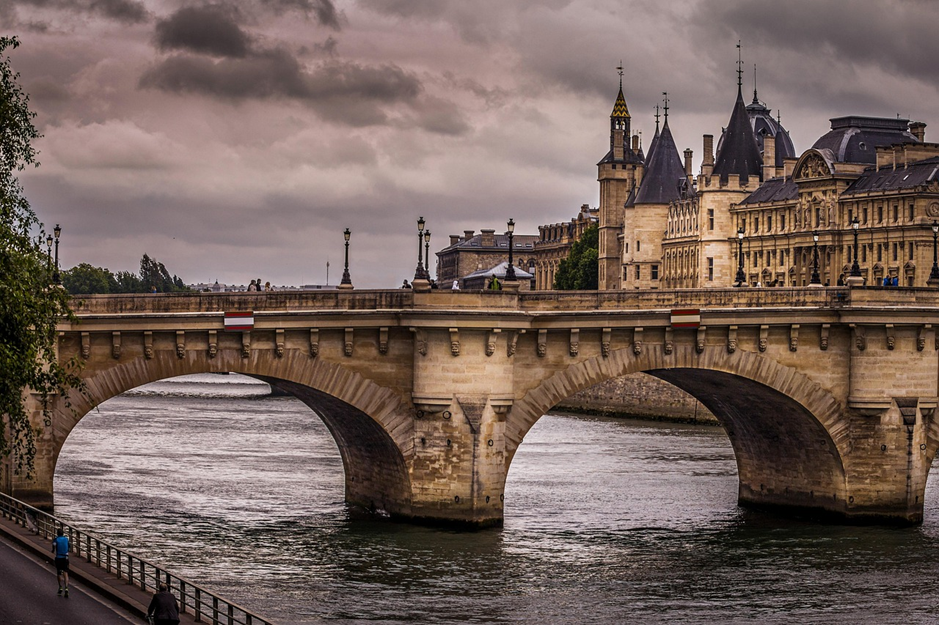
While Europe in summer may promise long sunny days and lively café terraces, it also comes with crowds, inflated hotel prices, long lines, and limited availability for the most desirable experiences. Off-season travel—typically from November through March—offers a completely different journey, one filled with exclusivity, authenticity, and meaningful cultural immersion. Instead of navigating packed museums and fully booked restaurants, off-season travelers enjoy a Europe that feels more local, more relaxed, and often far more luxurious.
From the winter sun of Madrid and Lisbon to the refined atmosphere of Paris and London’s holiday charm to the gastronomic allure of the Basque Country, traveling off-season transforms a standard itinerary into something special. Below, discover the benefits of traveling during the quieter months, along with a city-by-city guide that highlights what to ee and do in five of our favorite places to visit in the off-season.
Madrid: Spain’s Vibrant Capital in Winter
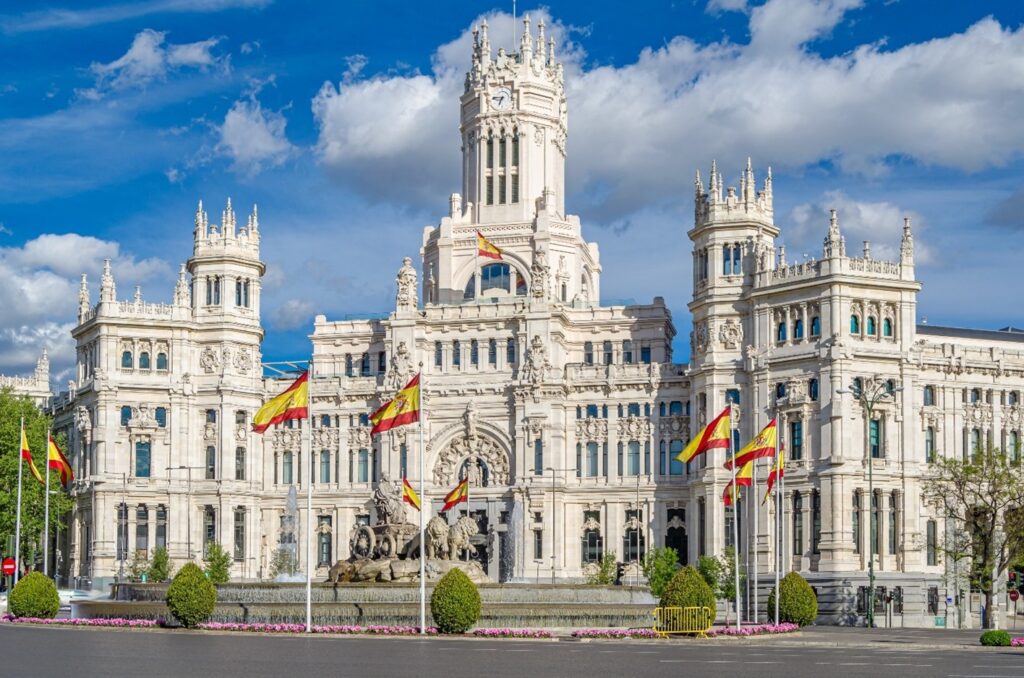
Madrid transforms into a cozy, cultural haven during the off-season. The city’s mild Mediterranean climate means winter temperatures rarely dip below freezing, making exploration comfortable with just a warm jacket. The Prado Museum, Reina Sofía, and Thyssen-Bornemisza museums offer world-class art collections without the summer crowds. You’ll have breathing room to appreciate Velázquez, Goya, and Picasso’s masterpieces properly. The Golden Triangle of Art becomes genuinely golden when you’re not navigating through tour groups.
Madrid’s culinary scene thrives year-round, and off-season visitors can secure reservations at sought-after restaurants with ease. Tapas hopping through La Latina or Malasaña becomes a true local experience, with Madrileños leaning against bar counters, ordering vermouth on tap. Evenings can include a flamenco performance at one of the historic tablaos, or simply chocolate and churros at San Ginés, a beloved institution that is especially popular on cold days.
Retiro Park also takes on a different beauty in winter, with bare trees creating striking silhouettes and locals jogging or rowing on the lake despite the chill. The Royal Palace stands magnificent against gray winter skies, and with fewer visitors, guided tours feel more intimate and informative.
Luxury hotel availability is excellent during these months, and shopping along the Golden Mile in Salamanca often includes post-holiday designer sales. For travelers who want a mix of culture, gastronomy, and winter sunshine, Madrid in the off-season is one of the best-kept secrets in Europe.
Lisbon: Sunny Winter Days and Seaside Charm
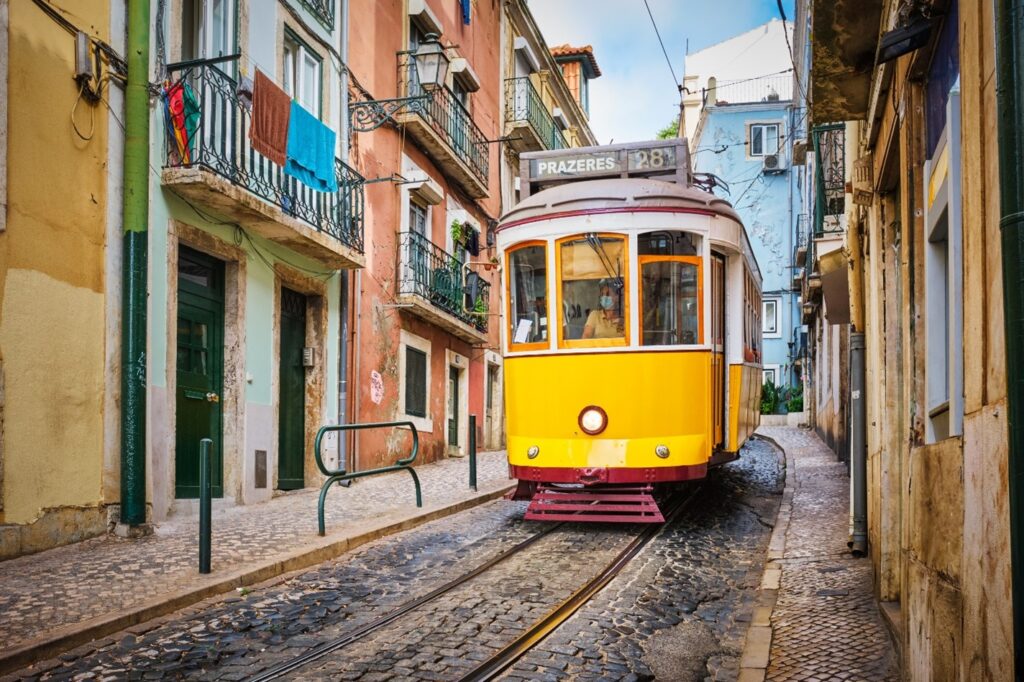
Lisbon is one of Europe’s mildest winter destinations, with temperatures frequently in the low 60s, although there is occasional rain. Without the summer cruise ship crowds, the city feels peaceful and deeply romantic. The city’s iconic yellow trams winds easily through Alfama without long waits —no more waiting through three packed trams to board Tram 28. Explore Alfama’s narrow streets, visit São Jorge Castle without crowds blocking the panoramic views, and discover the ornate Jerónimos Monastery in relative peace.
Food lovers find Lisbon irresistible in winter. Seafood restaurants remain open, terraces at the Time Out Market are active, and it is much easier to secure a reservation at Michelin-starred dining rooms that are nearly impossible to book in August. Sunny days invite excursions to Cascais for seaside lunches or to Sintra to wander palace gardens framed by winter mists. At night, live fado drifts from traditional taverns, creating a soulful and intimate atmosphere.
Day trips become more appealing in cooler weather. Visit Sintra’s fairy-tale palaces, explore the coastal town of Cascais, or discover the medieval streets of Óbidos without overheating or fighting crowds.
Lisbon retains a resort-like feel even when temperatures cool. Hotel rooftops stay open, wine bars spill into the streets, and luxury stays remain significantly more affordable than in summer.
London: Holiday Spirit Under the Lights

London’s off-season runs from November through March, and while weather can be gray and damp, the city’s indoor attractions make it ideal for winter exploration. British museums remain free year-round. Though off-season visits mean you can actually see the Rosetta Stone at the British Museum or admire the Crown Jewels without being pushed along. The West End theater scene offers better availability and sometimes discounted tickets. Cozy pubs become genuine havens where you can warm up with real ale and hearty British comfort food. Winter markets pop up across the city, with Hyde Park’s Winter Wonderland running through early January.
Take advantage of cheaper accommodation to stay in prime neighborhoods like Covent Garden, Soho, Notting Hill or Mayfair. Museums like the Victoria & Albert, Natural History Museum, and National Gallery become peaceful sanctuaries for art and culture lovers. The city’s famous afternoon tea experiences are easier to book and more relaxed during quieter months. For travelers who crave shopping, this is also the peak of London’s retail sale season.
London’s Christmas and New Year celebrations are legendary, with spectacular lights along Oxford Street and Regent Street. The city’s elegant architecture is illuminated by holiday lights, seasonal markets take over Hyde Park and Trafalgar Square, and department stores like Harrods and Liberty transform their windows into fantastical art displays. On New Year’s Eve, enjoy the fireworks over the Thames or hope aboard the British Pullman and return to the golden age of travel for an elegant and festive New Year’s Eve dinner aboard this historic train.
London may not boast warm temperatures, but winter suits its personality. It is a city of culture, theater, history, and gastronomy—and there is no better time to enjoy it without crowds than during the off-season.
Paris: The City of Light in Every Season

Paris holds special magic during the off-season. Yes, it’s cold and sometimes rainy, but the city’s beauty persists. The Eiffel Tower without hour-long queues, the Louvre with room to breathe, and Versailles gardens in winter stillness offer perspectives impossible during peak season. Parisian cafés become even more inviting in winter. Sip hot wine or coffee on heated outdoor terraces while people watching. The restaurant scene remains exceptional, and off-season reservations at highly-rated bistros like Le Bon George become feasible without months of advance planning.
Museums showcase their collections without overwhelming crowds. Musée d’Orsay, Musée Rodin, and Musée de l’Orangerie reward patient art appreciation. Montmartre’s artistic charm intensifies in winter, with fewer tourists climbing the steep streets to Sacré-Cœur. Shopping in Paris improves dramatically during the off-season, particularly during the biannual sales (soldes) in January and July. Venture outside of the city to La Vallee Village Shopping Outlet where extra discounts can be found year-rounds. Explore covered passages like Galerie Vivienne for boutique shopping out of the rain. The Marais district’s vintage shops and concept stores become browsable havens. Seasonal activities include ice skating beneath the Eiffel Tower, drinking vin chaud at open-air holiday stalls, and day trips to Champagne for intimate cellar tastings.
Art lovers and romantics agree: winter may be the best time of year to experience Paris as Parisians do.
The Basque Country: Culinary Excellence Year-Round
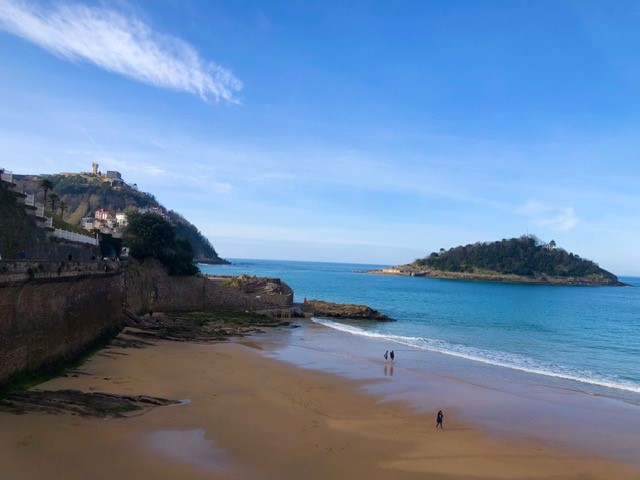
The Basque Country, spanning northern Spain and southwestern France, showcases its authentic character during the off-season. San Sebastián, Bilbao, and Biarritz offer distinct experiences, united by incredible food culture and dramatic coastal landscapes. San Sebastián’s pintxos bars remain crowded with locals even in winter—this isn’t a tourist scene but genuine Basque food culture. The city hosts fewer visitors, meaning better chances of securing tables at Michelin-starred restaurants like Arzak or Mugaritz. La Concha beach (pictured above) takes on wild beauty during winter storms, while Mount Igueldo provides panoramic views without crowds.
Bilbao’s Guggenheim Museum impresses year-round, but winter visits allow proper appreciation of both the building’s architecture and its exhibitions. The old town’s pintxos bars serve hearty Basque dishes perfect for cool weather. Nearby wine regions like Rioja offer harvest season experiences and cozy bodega tastings.
The French Basque coast, including Biarritz and Saint-Jean-de-Luz, becomes a surfer’s paradise in winter. Watch brave surfers tackle Atlantic waves, explore these coastal towns without summer crowds, and enjoy fresh seafood in traditional restaurants.
Food lovers consider the off-season their favorite moment to visit. Without the rush of summer tourism, chefs, winemakers, and locals have more time to engage with travelers, making the experience personal as well as delicious.
Off-Season European Travel Offers More for Less
Europe’s grand cities and legendary gastronomic regions reveal their truest selves in fall and winter, when travelers trade crowds for comfort and high prices for high value. From sipping vermouth in a quiet Madrid tavern, savoring pintxos in San Sebastián, exploring Lisbon’s hills, wandering the Louvre in near silence, watching London sparkle with lights to tasting Rioja wines beside a crackling fireplace, the off-season offers moments that summer travel simply cannot replicate.
Contact LuxEurope to book your off-season travel in these destinations or in some of or other recommendations in Italy.
Frequently Asked Questions
What is considered off-season in Europe?
Off-season in Europe typically runs from November through March, excluding the Christmas and New Year holiday period (mid-December to early January). Shoulder seasons—April to May and September to October—offer some off-season benefits with better weather.
How much can I save traveling to Europe off-season?
Travelers can save 30-50% on flights and 40-60% on accommodation during off-season compared to peak summer months. Activities, restaurants, and attractions also frequently offer discounts or package deals.
Will attractions be closed during off-season?
Major attractions in Madrid, Lisbon, London, Paris, and the Basque Country remain open year-round. However, some may operate on reduced hours or close one additional day per week. Beach clubs, outdoor markets, and seasonal attractions may close.
What’s the weather like in these destinations during winter?
Madrid and Paris experience cold winters (41-50°F) with occasional rain. Lisbon stays milder (50-59°F) with more sunshine. London hovers around 41-46°F with frequent rain. The Basque Country sees cool, wet weather (46-54°F) but remains comfortable for exploration.
Is off-season travel suitable for families?
Absolutely. Shorter lines at attractions, lower costs, and less crowded spaces make off-season travel family-friendly. However, colder weather means more indoor activities and earlier sunsets, which may affect planning with young children.
How far in advance should I book off-season travel?
Book flights 2-3 months in advance for best prices. Accommodation can often be booked last-minute due to availability, but booking 4-6 weeks ahead ensures better selection and still captures off-season rates.
Are restaurants and shops open during off-season?
In major cities, most restaurants and shops operate year-round. Smaller tourist-dependent establishments may reduce hours or close, but local businesses catering to residents remain fully operational, offering more authentic experiences.
Is it worth visiting in December for Christmas?
December in these destinations are magical! European cities come alive with Christmas markets, elaborate nativity scenes, festive lights, and holiday decorations. Churches hold special concerts and midnight masses. Traditional Christmas foods appear in restaurants and markets. The weeks before Christmas offer festive ambiance. Note that December 8 (Immaculate Conception), December 25-26, and January 1 and 6 are national holidays when some businesses may close.