
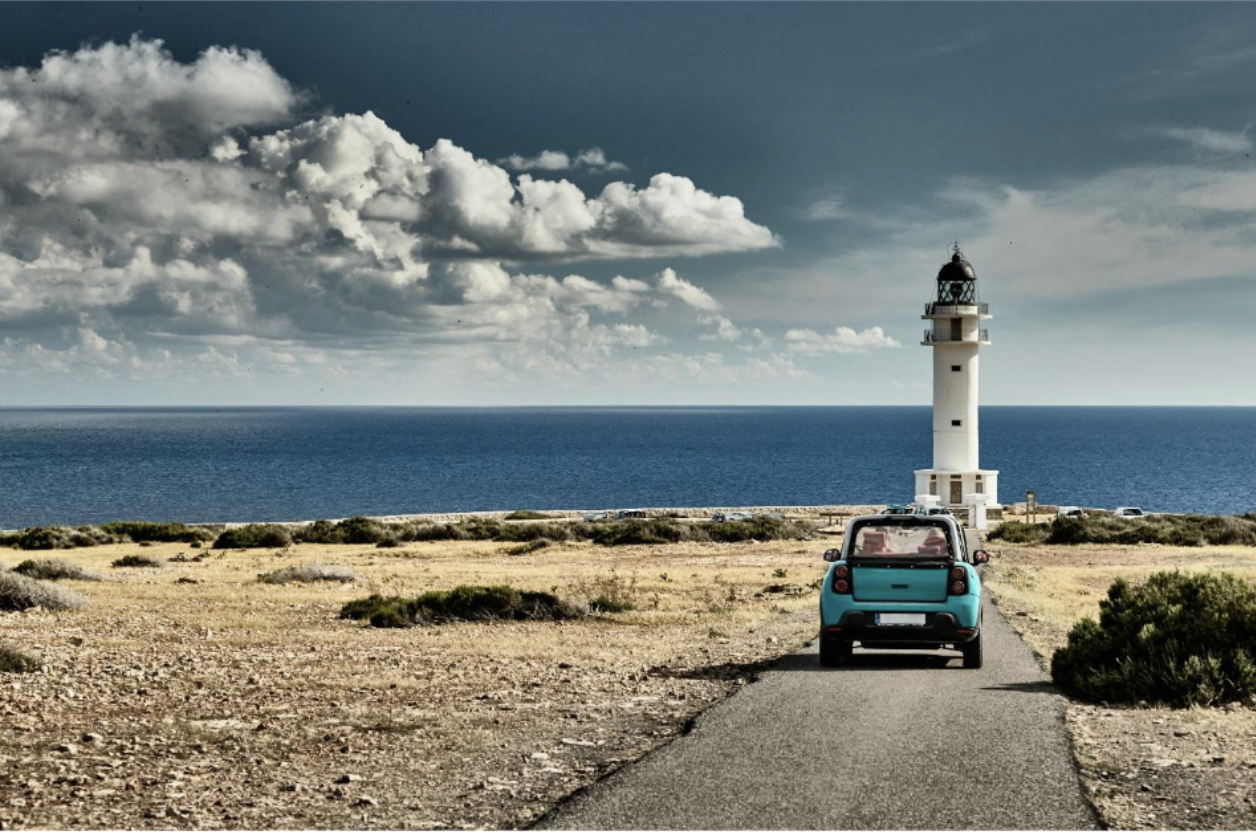
The Balearic Islands, a Spanish archipelago comprising Mallorca, Menorca, Ibiza, and Formentera, deliver an intoxicating blend of natural beauty, cultural sophistication, and exclusivity. Far from the stereotypes of mass tourism, these islands reveal themselves to be destinations where ancient history meets contemporary luxury, and untouched landscapes provide the backdrop for unforgettable experiences.
Photo credit: Shutterstock.com | Drozdin Vladimir
Mallorca: Mountains, Markets & Maritime Magic
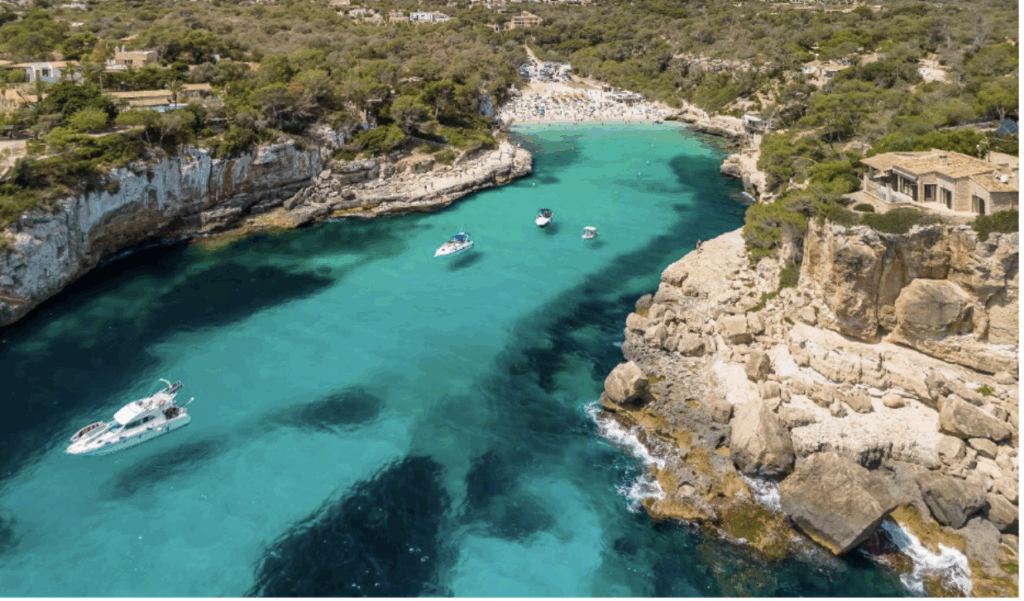
As the largest of the Balearic Islands, Mallorca commands attention not through size alone, but through its extraordinary diversity and cultural richness. The island has evolved into a sanctuary attracting artists, entrepreneurs, and international tastemakers who have fallen under its spell.
Palma, the island’s cosmopolitan capital, is where sophistication meets seaside charm. The magnificent Gothic cathedral, La Seu, dominates the waterfront with its soaring buttresses and stunning rose window—a masterpiece enhanced by Antoni Gaudí’s interior renovations. Palma’s old quarter reveals itself as a labyrinth of honey-colored stone buildings, hidden courtyards, and sophisticated galleries. The contemporary art scene centered around Es Baluard Museum and the thriving Santa Catalina neighborhood demonstrates Mallorca’s cultural evolution beyond its historical foundations.
The UNESCO World Heritage-listed Serra de Tramuntana mountain range defines Mallorca’s northwestern coast, offering dramatic limestone peaks that plunge into turquoise coves. Its terraced hillsides, stone villages, and olive groves recall an older, quieter Spain. Exploring these winding roads through storybook towns of Deià, Valldemossa, and Fornalutx – each a haven for artists and writers. This is where you’ll discover some of the Mediterranean’s most spectacular driving routes, especially along the winding roads between Valldemossa and Deià. These ancient stone villages, where Chopin once sought inspiration, now host Michelin-starred restaurants, contemporary art galleries, and boutiques showcasing local artisans whose craft has been perfected over generations.
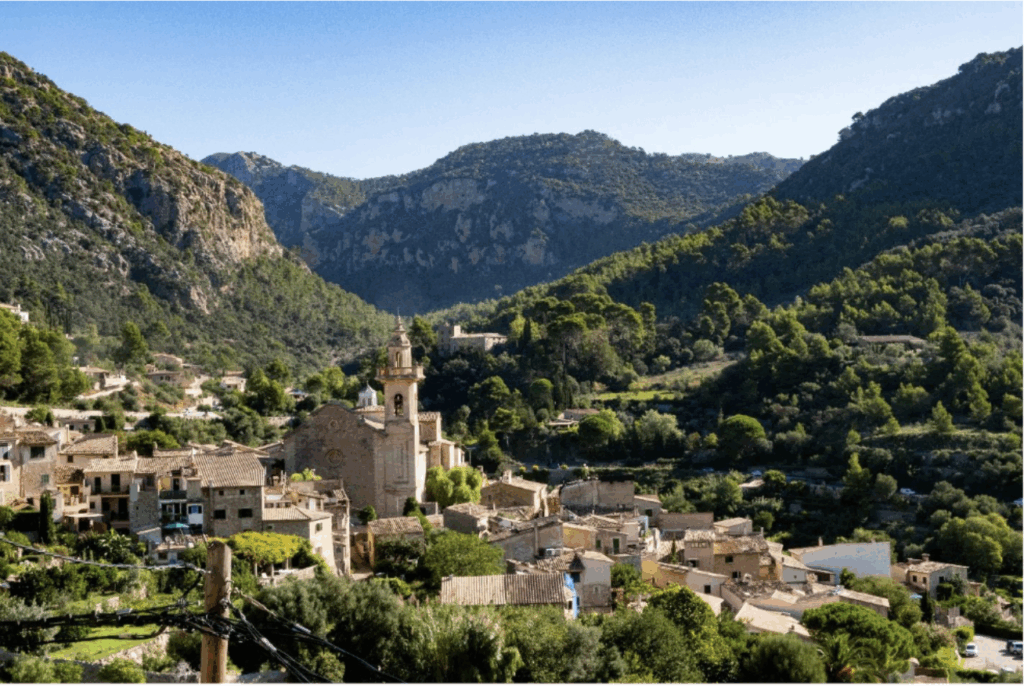
Mallorca’s true magic lies in its exclusive experiences. Charter a private yacht to explore the island’s hidden calas—Cala des Moro, Cala San Vincente, and others— intimate coves accessible only by sea, where you can anchor in complete solitude. Arrange a private tasting at one of the island’s prestigious wineries in the Binissalem region, where indigenous grape varieties produce wines that rival the finest Spanish vintages. Challenge yourself with a bespoke hiking experience through the Tramuntana with an expert guide who knows every trail and who can arrange a gourmet picnic at a remote mountain refuge overlooking the sea.
Menorca: A Sanctuary of Quiet Beauty
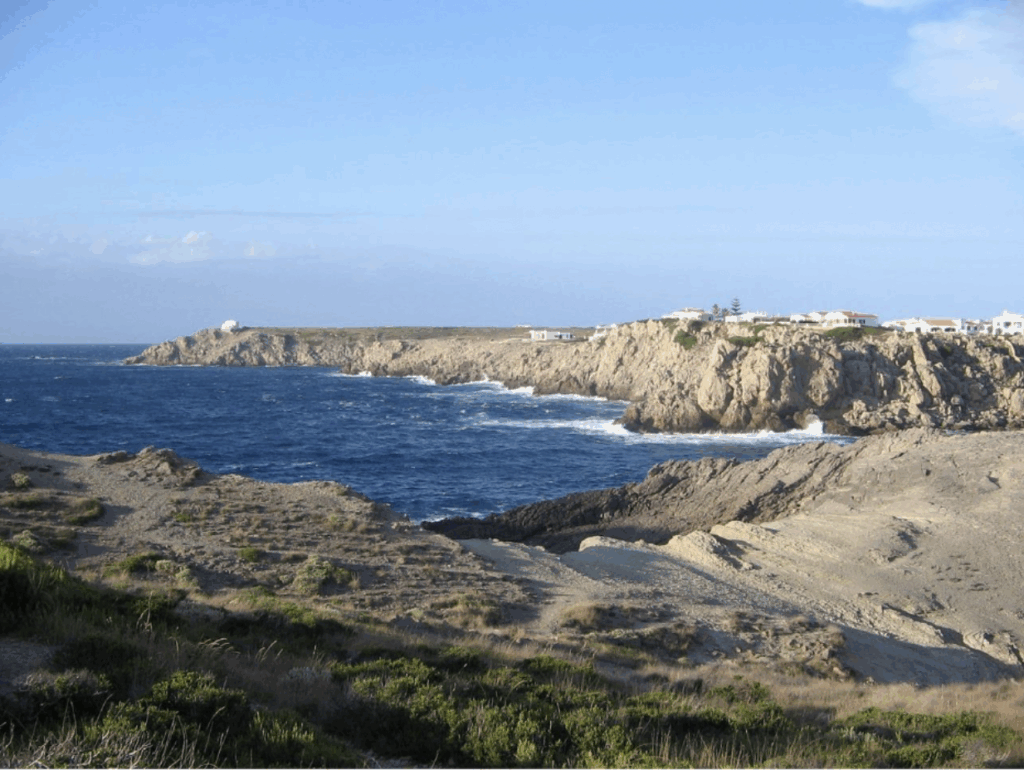
If Mallorca represents sophistication, Menorca is the archipelago’s soul—a place of profound tranquility and unspoiled beauty that feels refreshingly removed from modern excess. The southern coast features Caribbean-like beaches with powder-white sand and shallow turquoise waters while the northern shore presents a wilder character, with dramatic cliffs, russet-colored sand, and waves that attract those seeking a more dynamic connection with the sea. Cala Macarella, Cala Turqueta, Cala Mitjana, and Cala Pregonda each offer perfection with fine white sand, turquoise shallows, and untouched limestone cliffs. Designated a UNESCO Biosphere Reserve, the entire island reflects a commitment to sustainable development that preserves its extraordinary natural heritage.
The island’s two main towns- Mahón and Ciutadella- offer contrasting charms. Mahón, the capital, sits perched above one of the Mediterranean’s deepest natural harbors. The Georgian architecture reflects British influence from the 18th century, while local markets brim with island delicacies like cheese and gin de Menorca. Ciutadella, the former capital, enchants with its aristocratic palazzi, medieval streets, and a sophisticated restaurant scene centered around its picturesque harbor.
Menorca rewards those who venture beyond the beaches. The Camí de Cavalls, a historic coastal path that encircles the entire island, offers exceptional hiking and mountain biking opportunities. A private guide can lead you through the most spectacular sections, with a boat pickup at remote coves for a seamless return. The island’s interior harbors significant archaeological sites, including the mysterious Talayotic settlements that predate even the Romans—these Bronze Age stone structures remain enigmatic and largely uncrowded.
For gourmands, Menorca’s cuisine deserves special attention. The island’s Mahón-Menorca cheese, with its distinctive square shape and complex flavor profile, pairs beautifully with local wines during intimate tastings at family-run farms. The seafood, particularly the caldereta de llagosta (lobster stew), reaches exceptional heights here, best enjoyed at waterfront restaurants where the day’s catch comes directly from local fishermen.
Ibiza: Beyond the Beats
Few places in the world manage to blend vibrant nightlife, spiritual energy, and high-end luxury as effortlessly as Ibiza. This duality makes the island uniquely compelling; few places on earth can transition so seamlessly from sunrise meditation to sunset sophistication.
Ibiza’s old town, Dalt Vila, rises above the harbor as a fortified medieval masterpiece, and its Renaissance walls earned UNESCO World Heritage status. Within these ramparts, narrow cobblestone streets lead to hidden restaurants serving innovative Mediterranean cuisine, boutiques offering carefully curated fashion, and galleries showcasing both established and emerging artists. As evening approaches, the rampart walls become the perfect vantage point for watching the sun sink into the sea, painting the sky in impossible shades of amber and rose.
The island’s northern reaches offer an escape into natural beauty and bohemian culture. San Juan and Santa Gertrudis reveal Ibiza’s countryside charm, with whitewashed fincas, fragrant pine forests, and restaurants where farm-to-table isn’t a trend but a way of life. The weekly markets, particularly Las Dalias in Sant Carles, offer unique pieces from local artisans, highlighting the island’s creative energy.
Ibiza’s beaches cater to every mood. While Playa d’en Bossa and some southern beaches embrace the party atmosphere, the island’s quieter stretches offer pristine beauty. Cala d’Hort provides dramatic views of the mystical Es Vedrà rock formation rising from the sea, while beaches like Aguas Blancas and Benirràs attract those seeking a more spiritual connection to nature. Private beach clubs along the coast offer impeccable service, exceptional cuisine, and an atmosphere of relaxed luxury far removed from the superclub scene.
For wellness-focused travelers, Ibiza has emerged as a premier destination for yoga and meditation retreats. The island’s energy, long considered special by various cultures throughout history, provides an ideal setting for transformation and renewal.
Formentera: The Barefoot Jewel of the Mediterranean

Accessible only by boat from Ibiza, Formentera represents the Balearics in their purest form—a place where time slows, priorities shift, and the simple pleasure of existence takes center stage. This small island, just 19 kilometers long, has resisted overdevelopment, maintaining an atmosphere of barefoot luxury that appeals to those who search for tranquility and underdeveloped landscapes. Often described as the Caribbean of the Mediterranean, it enchants with power-white sands, clear waters, and effortless elegance.
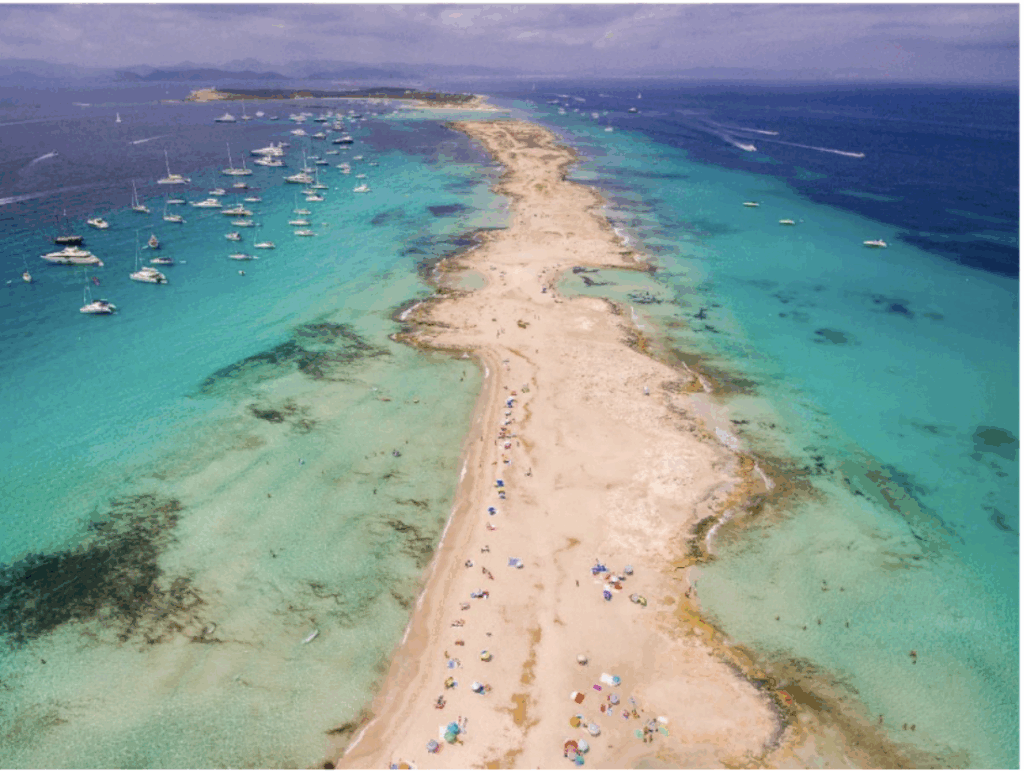
Formentera’s beaches rank among the Mediterranean’s finest, with Ses Illetes and Playa de Llevant offering sand so white and water so clear that Caribbean comparisons become inevitable. The shallow waters between Formentera and the tiny island of Espalmador create an ethereal landscape of shifting sandbars and impossible blues—best explored via private yacht or by paddleboard for the more adventurous.
Formentera’s culinary scene epitomizes island chic. Beachside restaurants serve freshly grilled seafood, local wine, and Mediterranean specialties, often with toes-in-the-sand ambiance. The island’s interior, characterized by salt flats, wheat fields, and fragrant rosemary bushes, invites exploration by bicycle or vintage Citroën Mehari—the quirky vehicle that has become synonymous with Formentera style. Follow the network of green routes that connect the island’s towns, stopping at local restaurants serving simply prepared seafood and vegetables grown in nearby gardens.
Formentera attracts a particular type of traveler—one who finds luxury in authenticity, who prefers a deserted beach to a crowded resort, and who understands that true exclusivity isn’t about price but about the experience.
Planning Your Balearic Journey
The optimal time to visit the Balearic Islands is from May through October, though late spring and early autumn offer the perfect combination of good weather and fewer crowds. Each island maintains its own character, and a multi-island itinerary can be easily organized through inter-island ferries. But the ideal way to explore these islands is by private boat for seamless island hopping. Imagine having breakfast in Mallorca, an afternoon swim in Menorca, sunset cocktails in Ibiza, and a moonlit dinner in Formentera.
The Balearic Islands don’t shout their excellence; they whisper it. If you are seeking a destination that stimulates all senses while providing a genuine connection with place, culture, and self, these Mediterranean islands offer an experience that lingers long after departure, calling you back to their shores again and again.
Let us Design Your Perfect Itinerary of Mallorca, Menorca, Ibiza, and Formentera
At LuxEurope, we specialize in handcrafted, immersive journeys designed to reflect your passions and pace. These islands can be combined with a stay in Madrid or Barcelona for a luxury vacation in Spain. Contact us to begin designing your Spain customized vacation.